Security Insights
Breaches, ransomware and regulation — analysed the day they break, with the practical lessons your team can act on. Free to read, no account required.


Nihon Kotsu Cyberattack Knocks Out Dispatch and Booking Systems at Japan's Largest Taxi Operator
A malware intrusion detected early Saturday morning forced Nihon Kotsu to pull its booking, dispatch and reservation platforms offline, suspending a critical pre-arranged ride service for expectant mothers across six cities.

CISA Flags Two Joomla Extensions Under Active Attack, Both Score Perfect 10 on Severity Scale
Attackers hit iCagenda and Balbooa as zero-days before patches were ready, and federal agencies now face mandatory remediation deadlines under Binding Operational Directive 22-01.

Australia's Age-Gate Push Is Working, But VPNs May Undo It
Twenty-seven of Australia's thirty most-visited adult sites now display age verification screens. The eSafety Commissioner's next question is blunt: can any teenager with a free VPN app sidestep the whole system?
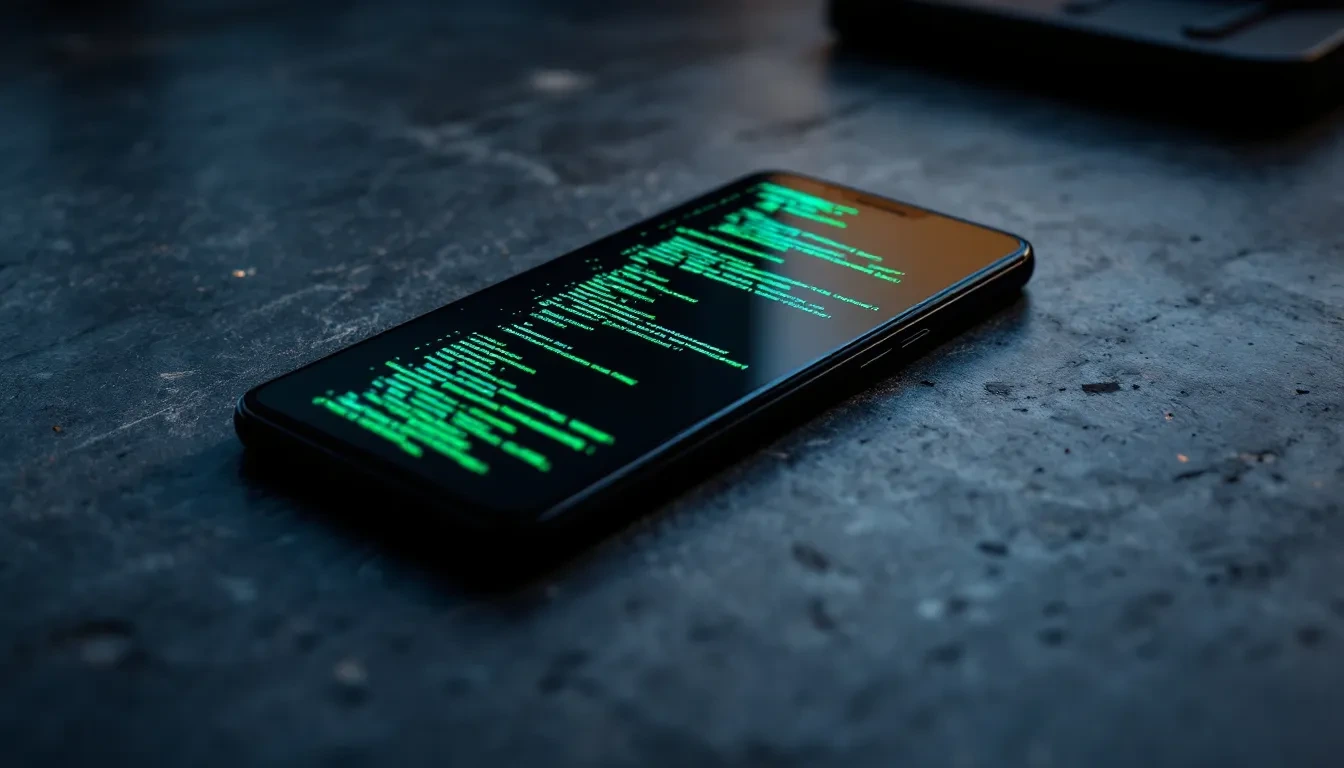
RedHook Android Malware Hijacks Built-In Debugging to Gain Shell Access Without a Cable
A new build of the RedHook trojan tricks victims into granting one permission, then silently promotes itself to developer-level control by connecting the phone to its own debugging service.

Ofcom Puts UK's Biggest Social Platforms on Notice Over Scam Ads
Draft rules under the Online Safety Act would force Facebook, TikTok, YouTube and eight other platforms to proactively remove fraudulent advertising or face fines reaching 10% of global annual revenue.
Argentina's Football Association Email Account Hijacked After World Cup Win Over Egypt
Someone broke into an AFA official inbox and sent journalists fabricated claims that Argentina's 3-2 comeback victory was fixed. The association says it sent nothing.

Two Spy Campaigns, One Target: How Pakistani Police Networks Spent Two Years Under Foreign Surveillance
Researchers identified two separate hacking operations, one linked to China and one to India, that both quietly penetrated Pakistani law enforcement systems between February 2024 and April 2026.

Six U-Boot Bootloader Flaws Put Millions of Embedded Devices at Risk of Hidden Firmware Attacks
Researchers disclosed six vulnerabilities in the U-Boot open-source bootloader that could let attackers plant malware below the operating system, surviving every wipe and factory reset.

Senator Markey's AI Accountability Bills Take Aim at Hiring Algorithms, Data Centre Waste, and Worker Surveillance
A new legislative package from Capitol Hill would force companies to disclose how automated tools screen job applicants, measure the environmental cost of AI infrastructure, and limit how software monitors workers on the job.

Ryuk Ransomware Operator Pleads Guilty After Helping Steal $15 Million from US Companies
Karen Serobovich Vardanyan, 34, admitted to breaking into corporate networks and handing that access to partners who deployed Ryuk ransomware, netting the group roughly 1,610 bitcoin across dozens of victims.

AI-Powered Romance Scammer Extradited to Face $8 Million Elder Fraud Charges
Ghanaian influencer Frederick Kumi allegedly used artificial intelligence to build fake online personas and steal more than $8 million from elderly Americans. His extradition has ignited a constitutional dispute in Ghana.

Cyberbullying Claimed a Real Life: What the Death of Darrell Sheets Tells Us About Online Harm
A Lake Havasu City police report links sustained online harassment to the suicide of the 'Storage Wars' television personality, forcing a hard look at how digital cruelty translates into irreversible real-world consequences.
Ready to Reduce Your Human Cyber Risk?
Sign up and start training your team in minutes. No sales calls, no demos — just pick a plan and go. Phishing simulations, video courses, and certificates from day one.
